Dull Aged Teeth Treatment in Woods Cross, UT: 2026 Guide
Why your smile looks dull or aged — enamel thinning, stains, trauma — and which treatments actually reverse each cause. A Woods Cross, UT guide.
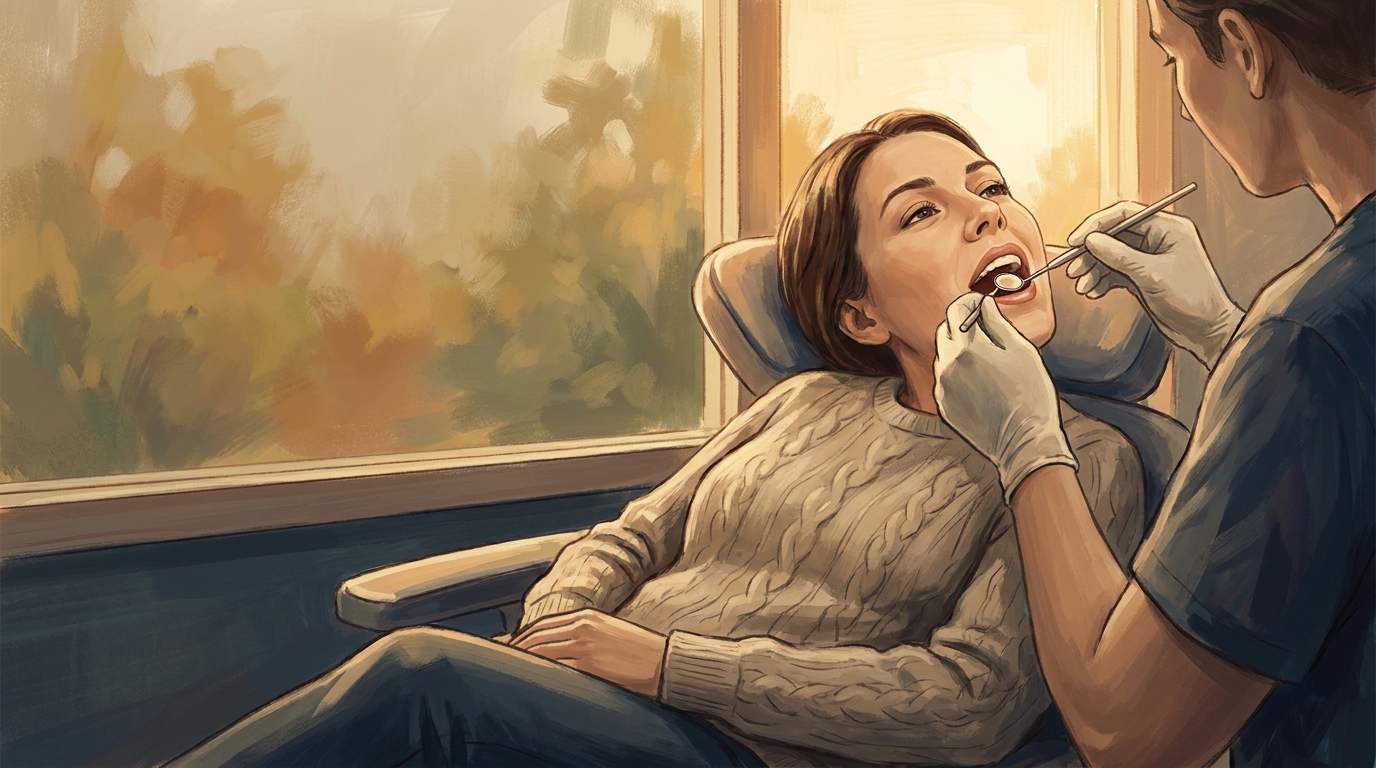
Teeth look dull and aged for two reasons working together: the outer enamel thins and lets the naturally yellower dentin beneath show through, and surface stains from food, drink, and tobacco build up on that enamel over time. Reversing it means matching the fix to the cause — whitening handles most yellow surface and age-related discoloration, while enamel loss, trauma darkening, and brown intrinsic stains need restorative options like bonding, veneers, or internal bleaching.
Here's the clear-eyed walk-through, written for anyone in Woods Cross who's looked in the mirror lately and thought, my smile used to be brighter than this.
Why do teeth look dull and aged in the first place?
Dullness is a layered problem. Enamel is semi-translucent, and the dentin beneath it is naturally yellowish — together they create your tooth's color. As enamel thins with age and brushing, more of that yellow dentin shines through, and the surface collects stains from everything you eat, drink, and inhale. The result reads as "older," even when the teeth are perfectly healthy.
At Luca Aesthetic in Woods Cross, the approach leans noninvasive and minimally invasive — meaning the goal is to identify what's actually causing the dullness before anyone reaches for a bleach tray or a drill.
The two kinds of discoloration
There are two main types: extrinsic discoloration, which sits on the outer enamel surface and comes largely from food and drink stains, and intrinsic discoloration, which starts inside the tooth and affects the dentin. Causes of intrinsic darkening include dental trauma and certain medications. Knowing which one you have changes the treatment entirely.
Is it enamel thinning, staining, or both?
It's almost always both, but the proportions matter. If your teeth look uniformly yellower than they did a decade ago, enamel thinning is the lead actor — the translucent outer layer has worn down and the yellow dentin underneath is showing through more. If you see darker patches, lines near the gumline, or a dull film, extrinsic staining is doing most of the work.
How enamel wears down
Enamel loss is irreversible once it happens, and up to 45% of adults can experience tooth erosion, according to Pronamel. Early stages include discoloration, sensitivity, chipping, and pitting. The usual culprits:
- Acidic foods and drinks — sodas, citrus, and sports drinks demineralize enamel.
- GERD or chronic reflux, which bathes the back surfaces of teeth in stomach acid.
- Bruxism (grinding or clenching), which cracks and wears enamel, often unconsciously during sleep.
- Aggressive brushing with a stiff-bristled brush, especially near the gumline.
How stains settle in
Chromogenic agents in coffee, tea, red wine, and tobacco bind to the porous enamel surface and accumulate over years. Plaque — a sticky bacterial film — absorbs those stains and can make teeth appear dull, green, or brown; if it hardens into tartar, it resists brushing entirely. Tobacco is a double hit: tar is naturally dark, and nicotine turns yellow the moment it meets oxygen.
What about trauma, medications, and genetics?
A single darker tooth usually points to trauma — even an injury from years ago. The tooth reacts by laying down more dentin (the darker layer under enamel), and internal bleeding or pulp changes can continue to darken it over time. Medications also play a role: certain antihistamines, antipsychotics, and blood-pressure drugs can darken teeth, and children exposed to tetracycline or doxycycline during tooth development may carry that discoloration into adulthood.
Genetics set the baseline too — natural tooth color, brightness, and translucency vary person to person. Not everyone starts at the same shade of white, and that's worth knowing before setting expectations.
What actually reverses dull, aged-looking teeth?
The right treatment depends on the cause. Whitening works beautifully for yellow surface and age-related discoloration — hydrogen peroxide or carbamide peroxide bleaches break stains into smaller pieces, making the color less concentrated. But whiteners do not change the color of crowns, veneers, or fillings, and brown teeth may not respond as well as yellow ones. Enamel loss and intrinsic structural damage need restorative solutions, not bleach.
Here's how the main options match up:
| Cause of dullness | What actually fixes it | Typical timeline |
|---|---|---|
| Yellow surface stains (coffee, tea, wine) | Professional whitening (in-office or dentist-supervised take-home) | Take-home: roughly 1–2 weeks |
| Age-related enamel thinning showing dentin | Whitening if mild; veneers or bonding if advanced | Whitening: 1–2 weeks; veneers: multiple visits |
| Single dark tooth from past trauma | Internal bleaching or a crown/veneer | Case-dependent |
| Tetracycline or intrinsic brown staining | Veneers (whitening often won't correct it) | Multiple visits |
| Chipped, pitted, eroded enamel | Bonding, veneers, or crowns — enamel loss is irreversible | Case-dependent |
| Stains on crowns, veneers, or fillings | Replacement — bleach won't change their color | Case-dependent |
Whitening results aren't permanent either. They typically last from a few months to around three years, with smoking and staining foods or drinks accelerating how fast color returns.
Where veneers come in
When whitening won't touch the problem — intrinsic brown stains, worn enamel edges, chips, or a mismatched single tooth — porcelain veneers reshape and recolor the visible surface. Luca Aesthetic uses a proprietary smile design process called LUCAsmile®, which delivers high-end natural results without grinding teeth, aligning with their broader minimally invasive philosophy. For patients who want brightness without reshaping their natural structure, that distinction matters.
How should Woods Cross patients approach this in 2026?
Start with a professional assessment, not a drugstore kit. Because the cause determines the treatment, trying to whiten teeth that are actually eroded or structurally darkened can waste money and sometimes make sensitivity worse. A dentist can tell you in one visit whether you're a candidate for bleaching, whether you need restorative work, and whether any of your existing dental work (crowns, old fillings) will throw off the final shade match.
Davis County's dry high-desert climate adds a subtle wrinkle: dehydration and heavier coffee habits through long Wasatch Front winters tend to accelerate extrinsic staining, which is one reason many Woods Cross patients schedule a brightening touch-up before summer events or holiday photos.
A note on prevention
Preventing dullness is cheaper than reversing it. Luca Aesthetic offers LUCAcare, an individualized preventative program designed to help patients keep their mouth and teeth healthy — reflecting the practice's stated preference to do less dentistry over a lifetime, not more. Regular cleanings, a softer brush, an acid-aware diet, and treating reflux or bruxism early all buy you years of brightness.
Frequently asked questions
Will whitening work on all discoloration?
No. Yellow teeth generally bleach well, but brown teeth may not respond as predictably, and whiteners cannot change the color of crowns, veneers, or fillings. Intrinsic staining from trauma, tetracycline, or structural enamel loss typically requires restorative options like internal bleaching, bonding, or veneers rather than peroxide whitening alone.
How long do professional whitening results last?
Whitening results are not permanent and may last from a few months to around three years. The range depends on your habits — smoking, coffee, tea, red wine, and other staining foods and drinks shorten how long the color holds. Touch-ups and good home care extend results, which is why most patients plan for periodic maintenance.
Can thinning enamel grow back?
No. Once enamel wears away, the loss is irreversible, which is why prevention matters so much. Up to 45% of adults can experience tooth erosion, and early signs include discoloration, sensitivity, chipping, and pitting. If enamel is already significantly thinned, cosmetic solutions like bonding or veneers can restore appearance, but the enamel itself does not regenerate.
Why did one of my teeth get darker than the others?
A single darkening tooth almost always traces back to trauma — even an injury from years earlier. The tooth responds by laying down more dentin, the darker layer beneath enamel, and internal bleeding or changes in the pulp can gradually deepen the color. Treatment options typically include internal bleaching or a crown or veneer, depending on the tooth's condition.
Can medications really change my tooth color?
Yes. Certain antihistamines, antipsychotics, and high blood pressure medications can darken teeth as a side effect. More notably, young children exposed to antibiotics like tetracycline and doxycycline during tooth formation may have discolored adult teeth later in life. These intrinsic stains typically don't respond well to standard whitening and are often addressed with veneers.
Is it safe to use over-the-counter whitening strips if my teeth look dull?
Possibly, but a dental assessment first is smart. If dullness is from enamel erosion, trauma, or intrinsic staining, over-the-counter peroxide won't fix the problem and may increase sensitivity. If the cause is simply surface staining or mild age-related yellowing, strips may help modestly, though dentist-supervised take-home trays — commonly used over 1–2 weeks — tend to produce more even, controlled results.
Getting a clear answer in Woods Cross
Dull, aged-looking teeth are almost always fixable — but the fix has to match the cause. The right starting point is an exam that identifies whether you're dealing with surface staining, enamel thinning, intrinsic discoloration, or some combination of all three, and then a plan built around the least invasive option that will actually work.
Readers in Woods Cross who want this handled professionally can reach Luca Aesthetic at (385) 758-5812 or visit https://www.lucaaesthetic.com/ to get started.