Veneer Prep in Woods Cross, UT: What's Removed First
Before veneers go on in Woods Cross, UT, a thin layer of enamel comes off. Here's exactly how much, why it's permanent, and what to expect at prep.
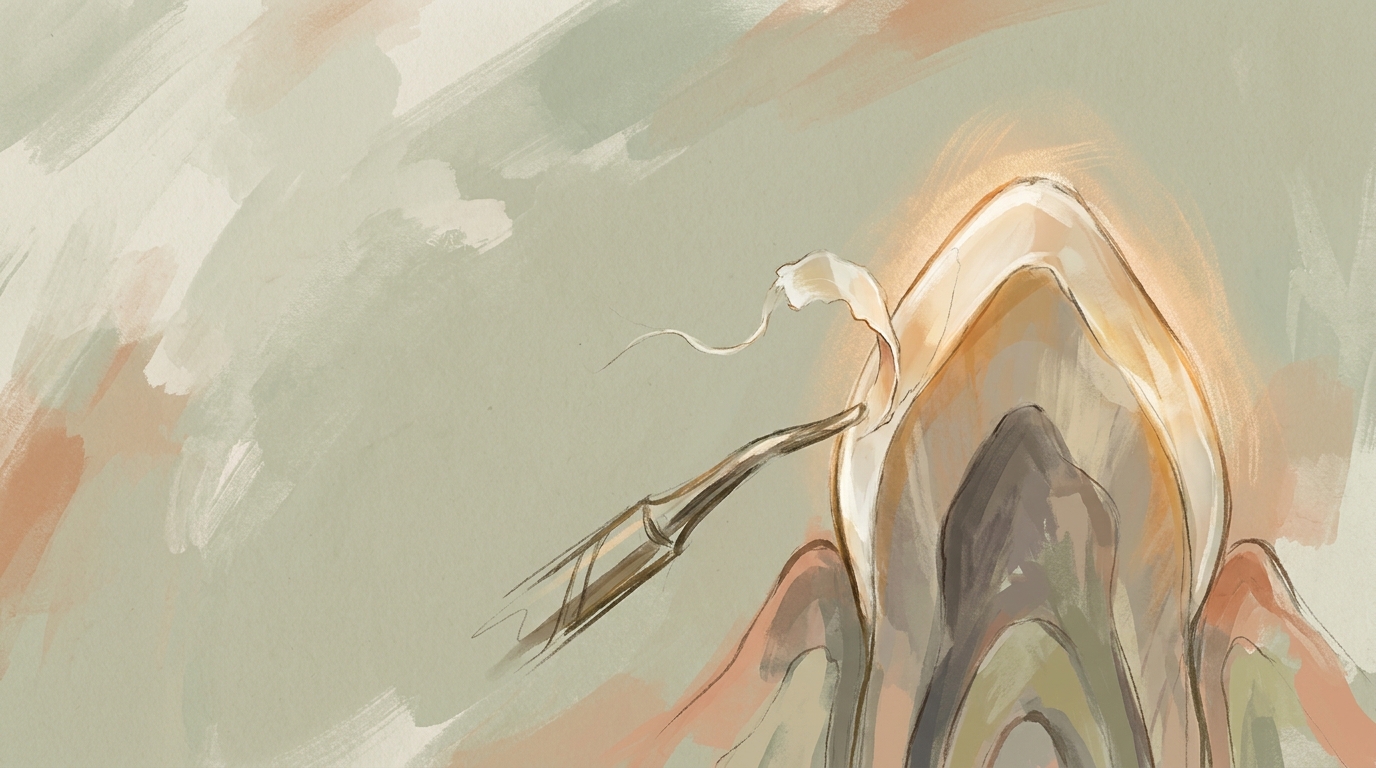
Before a porcelain veneer is bonded to your tooth, a small amount of enamel — typically around 0.5 mm from the front surface — is gently removed so the veneer can sit flush and look natural. That reduction is permanent because enamel does not grow back, which is why veneer treatment is considered irreversible. Any decay or gum disease has to be treated first, and in many cases a temporary veneer is worn while the lab crafts your final shells.
If you're weighing veneers in Davis County, this is the step that deserves your attention. The glossy before-and-after photos are the easy part. What happens to your natural tooth in the chair — before anything beautiful gets bonded on — is the real decision.
How much tooth is actually removed for veneers in Woods Cross, UT?
For a conventional porcelain veneer, a small layer of enamel is shaved from the front and sides of the tooth, though the exact amount shifts with the tooth's starting shape, position, color, and the veneer design chosen. Composite veneers often require less enamel reduction than ceramic ones. It's a thin layer — about the thickness of a fingernail — but it is real, and it is permanent.
The American Dental Association describes the prep step plainly: to place a porcelain veneer, the dentist removes a small amount of enamel from the front and sides so the shell can bond cleanly and sit flush with neighboring teeth. Skip that step, and the veneer looks bulky — thick, opaque, and obviously fake. That's the trade-off every candidate is really evaluating.
Why is enamel removal permanent?
Enamel is the hard outer layer of your tooth, and once it's reduced, your body cannot regrow it. That's what makes veneers a one-way door. Any tooth prepped for a veneer will, from that point forward, need a veneer (or something like it) covering it to protect the exposed surface and maintain the look.
This is also why thoughtful smile design matters so much upfront. At Luca Aesthetic in Woods Cross, the practice's stated approach centers on noninvasive and minimally invasive smile creation — and its proprietary LUCAsmile® process is designed to deliver high-end, natural results without grinding teeth. Translation: the first conversation should be about preserving as much of your real tooth as the result allows.
What happens step-by-step at the prep appointment?
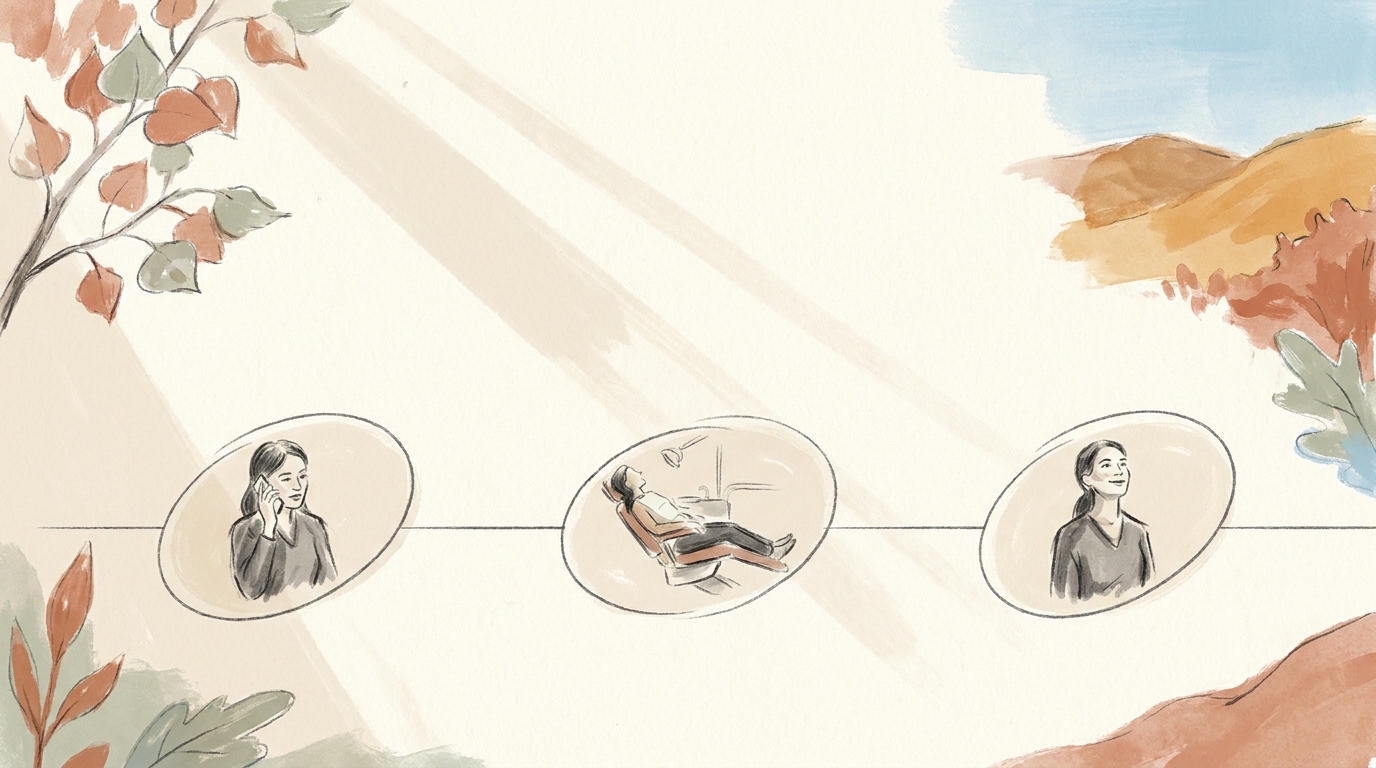
After enamel is reduced, the dentist takes an impression with a mold or captures a digital model of the prepared tooth using an intraoral scanner. That record goes to the lab. If the final ceramic veneers will take more than one day to make, you'll typically wear a temporary veneer until the permanent ones are ready. When the finals arrive, the dentist seats them on your teeth to check fit and shape, makes any adjustments, cleans the teeth, and bonds the veneers in place.
Here's the quick version:
- Consult and smile design — shade, shape, and whether you're even a candidate.
- Enamel reduction — a precise layer removed from the front and sides for conventional porcelain.
- Impression or digital scan — captured and sent to the lab.
- Temporaries — worn while the lab fabricates your final veneers.
- Try-in and bond — fit checked, adjustments made, veneers bonded.
Do all veneers require the same amount of tooth shaving?
No — and this is where your material choice matters. Composite veneers may require less tooth enamel to be removed than ceramic veneers, and they may need fewer visits to complete. Conventional porcelain generally involves the roughly 0.5 mm reduction described above. Minimal-prep and no-prep approaches aim to preserve more enamel, though not every smile is a candidate for them.
| Veneer type | Typical enamel reduction | Visits | Reversibility |
|---|---|---|---|
| Conventional porcelain | ~0.5 mm from the front surface | Usually two or more | Not reversible |
| Composite | Often less than ceramic | May be fewer | Not reversible once prepped |
| Minimal / no-prep (case-dependent) | Little to none | Varies | May preserve more enamel |
Who is — and isn't — a good candidate for veneer prep?
Veneers aren't for everyone. The ADA notes that patients who clench or grind their teeth, or who have a deep overbite, may not be good candidates, because the forces involved can chip or dislodge the shells. Any existing dental problems — decay, gum disease — must be treated first, since placing veneers over unhealthy teeth can worsen the underlying issue.
Candidacy also depends on how much healthy enamel you have to begin with. If your enamel is already thin or worn, your dentist may steer you toward a more conservative plan. A veneer covers only the front surface of a tooth, which is what distinguishes it from a crown; if a tooth needs more structural support than a thin shell can provide, that's a different conversation.
Will veneer prep make your teeth sensitive?
Some short-term sensitivity after prep is common. Tooth sensitivity happens when enamel wears down and exposes the softer dentin layer underneath; dentin has tiny tubes leading to the nerve, which is why temperature changes and sugar can cause sharp, brief pain. Because veneer preparation reduces enamel, mild sensitivity between the prep visit and final bonding — especially while you're in temporaries — is not unusual.
Well-fitted temporaries, careful bonding of the final veneers, and a conservative prep plan all help minimize this. If sensitivity lingers after your veneers are bonded, that's worth a follow-up call rather than a wait-and-see.
How should Woods Cross patients prepare for the first veneer visit?
Come ready to talk about three things: your goal (what you want your smile to look and feel like), your bite habits (any clenching, grinding, or jaw tension), and your overall oral health history. Expect photos, possibly a digital scan, and a frank discussion of how much enamel reduction your specific case would involve. If a provider jumps to drilling without that conversation, slow down.
Luca Aesthetic's stated philosophy leans toward doing less dentistry by focusing on preventive care — its LUCAcare program is built around that idea — and its smile work emphasizes minimally invasive design. That's the kind of framing to look for when you're interviewing any veneer provider: preservation first, prep only as much as the result honestly requires.
Frequently asked questions
Are veneers reversible once my teeth are prepped?
No. Veneer treatment is not reversible because tooth enamel is removed to place the veneer, and enamel does not grow back. Once a tooth is prepped, it will need a veneer or similar restoration covering that surface going forward. This is the single most important fact to understand before scheduling your prep appointment.
How much enamel is removed for porcelain veneers?
For a conventional porcelain veneer, a precise layer is typically removed from the front surface, with the exact amount varying based on the tooth's starting shape, position, color, and the veneer design. Composite veneers may require less reduction than ceramic. Minimal-prep approaches aim to preserve more enamel when the case allows.
Do I have to wear temporaries between visits?
Usually, yes. If the ceramic veneer will take more than one day to create, the dentist typically provides a temporary veneer to wear until the permanent one is ready. Temporaries protect the prepped enamel, keep the tooth looking natural while you wait, and let you preview the general shape and size of your final result.
Can I get veneers if I grind my teeth?
Possibly, but you may not be a good candidate. The ADA notes that patients who clench or grind their teeth, or who have a deep overbite, may not be ideal for veneers because those forces can chip or dislodge the shells. Your dentist may recommend treating the grinding first — often with a night guard — before committing to veneer prep.
What if I have cavities or gum disease?
Those must be treated first. Placing veneers over unhealthy teeth can worsen existing dental problems, so decay, gum disease, and any active infection are addressed before any enamel is reduced. This is standard protocol and a sign of a careful provider — not a delay tactic. A healthy foundation is what makes veneers last.
How is a veneer different from a crown?
A veneer covers only the front surface of a tooth, while a crown covers the entire tooth structure. That's why veneer prep removes far less tooth than crown prep. If a tooth is heavily damaged, decayed, or structurally weak, a crown may be the more appropriate restoration — veneers are primarily a cosmetic solution for teeth that are fundamentally healthy.
The bottom line for Woods Cross smiles
Veneer prep is a small procedure with a permanent consequence: a thin layer of enamel comes off, and your teeth will need veneers covering those surfaces from that day forward. That's not a reason to avoid veneers — it's a reason to choose your provider and your plan carefully, with preservation of healthy tooth structure treated as a priority rather than an afterthought.
Readers in Woods Cross, UT who want this handled with a minimally invasive approach can reach Luca Aesthetic at (385) 758-5812 or https://www.lucaaesthetic.com/ to start the conversation. The practice is located at 2453 S Wildcat Way W and offers general dentistry, aesthetic implants, clear aligners, and facial aesthetics alongside its smile design work.